Real estate websites
Your website is the listing presentation before the listing presentation.
A seller interviewing three agents has already ranked you by your website. It is the only evidence they have of how you will market their largest asset — and “I market homes beautifully,” said by an agent with a template site, is a contradiction sellers notice immediately.
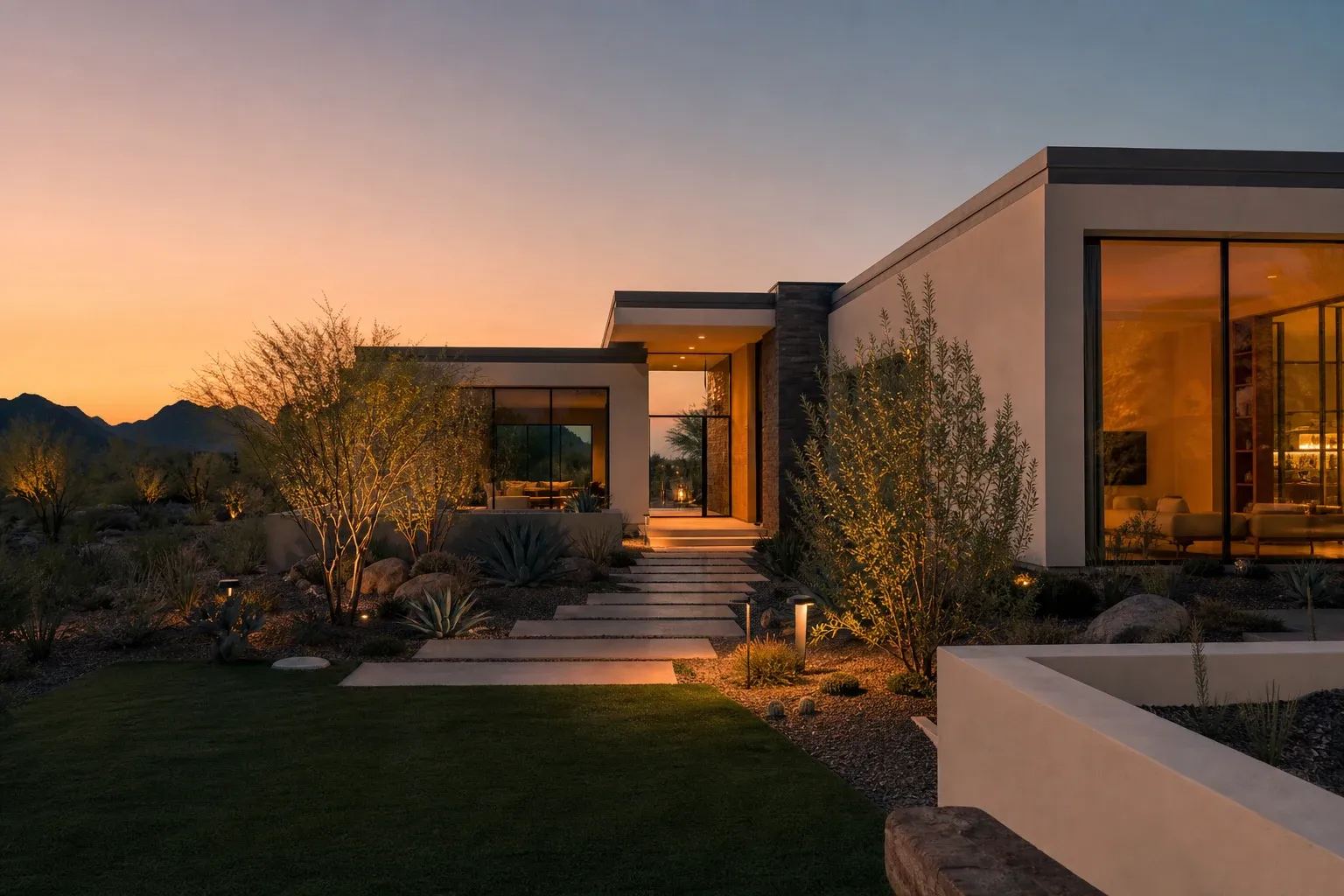
In plain terms
CactusLaunch builds real estate websites around the listing interview: presentation quality that matches your marketing claims, neighborhood pages written like a local rather than a census report, and seller-side funnels for valuations and listing consultations.
What usually goes wrong
Why real estate websites lose the people they attract
These are the failure modes we see most often in this category — each one is fixable, and each one is costing enquiries right now.
The site undersells your marketing
Sellers judge how you will present their home by how you present yourself. A template site contradicts the pitch before you make it.
It is a portal clone with your photo on it
IDX search everywhere and differentiation nowhere. Zillow already exists and already wins that fight — your site has a different job.
Neighborhood pages have no local substance
Sellers hire the neighborhood expert. Area pages padded with population statistics prove the opposite of expertise.
There is no seller path
Most agent sites chase buyer registrations while the listing side — the business you actually want — has no dedicated funnel at all.
The conversion paths that work here
How real estate visitors actually convert
Not every category converts the same way. These are the paths we build, in the order they usually matter.
Home valuation request (primary seller path)
The highest-value conversion on an agent site and the one most often missing. A defined, low-commitment first step.
Listing consultation
For sellers further along who want the interview. Framed around your marketing process rather than a generic contact form.
Buyer guide download or enquiry
Useful content in exchange for contact details, honestly framed — not a gate on information that should be free.
What we build
The real estate build, in detail
Page architecture we typically build
- Seller-focused pages: valuation request, listing consultation, marketing process
- Neighborhood and community pages with real local depth
- Buyer guides that earn contact details by being genuinely useful
- Agent and team profile pages that carry credibility independently
- Campaign landing pages per farm area or seller offer
- Listing presentation support pages where they help close the interview
What visitors need before they act
- Presentation quality equal to the marketing you promise sellers
- Genuine local knowledge, demonstrated rather than claimed
- Track record framed honestly, without invented numbers
- Clear explanation of your marketing process for a listing
- Team structure and who the seller will actually work with
- Licensing and brokerage information presented properly
Intake and form considerations
- Property address or area first for seller enquiries — it determines everything downstream
- Timeline and motivation asked without prying
- Buyer and seller intakes kept separate; they are different conversations with different urgency
- Routing to your CRM (Follow Up Boss, kvCORE, and similar) available as an add-on
Search and paid-traffic considerations
- Neighborhood and community pages are the durable ranking asset — but only with genuine local substance
- Seller-intent keywords are lower volume and dramatically higher value than buyer-intent search
- Agent name searches matter: people who meet you at an open house will look you up that night
- Paid campaigns need dedicated seller landing pages, not the homepage
Platform and integration realities
- Most agents arrive on a brokerage-provided or IDX-vendor platform with limited control
- IDX integration is scoped where it genuinely serves the strategy rather than assumed by default
- Brokerage compliance and branding requirements are accounted for in the build
The honest fit
Which launch fits a real estate project
GrowthStack™ for the full presence upgrade including seller funnels. AdScale™ when you mainly need farm-area campaign pages running alongside what you have.
GrowthStack™
from $5,900
Typical launch: ~10–14 days from kickoff
Best for: Businesses running (or about to run) paid traffic.
Start with GrowthStackAdScale™
from $4,500
First pages live in about a week
Best for: Businesses already spending on ads whose website is the bottleneck.
Start with AdScaleReal estate FAQ
Questions we get from this category.
Do you do IDX or MLS integration?
Where it genuinely serves the strategy, yes — but honestly, your site rarely wins by re-implementing Zillow. Its job is winning listings and conversations; search tools support that rather than lead it.
Can you build just a seller lead funnel?
Yes. A valuation-request landing page with tracking is a common standalone project that runs alongside your brokerage site without touching it.
Can you use my listing photography?
Please — strong listing photography is your best asset and we build around it. Genuine gaps get premium curated stock or custom concept imagery, never watermark-grade filler.
Do you promise listings or commissions?
No. Markets and reputations do that work. We build the presentation that supports your pitch and the funnels that capture intent, then measure the conversations honestly.
Other industries
We build for these categories too.
Dental & medical websites
See what we buildContractors websites
See what we buildHome services websites
See what we buildBrowse all industries · How we build for every category · What an ad landing page needs
From the resource library
The guides behind this build.
Win the listing before you ring the doorbell.
Tell us your market and whether you want seller or buyer funnels first. Your launch plan comes back with scope, timeline, and one flat number.
Prefer to talk it through first? Use the chat button — a real person replies.