Restaurants websites
Diners decide in ninety seconds: atmosphere, menu, table.
Someone choosing tonight’s restaurant is on a phone, deciding fast, often with other people waiting on the answer. If the room’s feeling does not come through, the menu is a pinch-to-zoom PDF, or the reservation takes hunting, the table goes somewhere else — and you never find out it happened.
In plain terms
CactusLaunch builds restaurant and hospitality websites for the ninety-second decision: photography-forward design that sells the room, menus as readable pages that search engines can index, reservations one tap from anywhere, and a private-events funnel for the highest-margin bookings.
What usually goes wrong
Why restaurants websites lose the people they attract
These are the failure modes we see most often in this category — each one is fixable, and each one is costing enquiries right now.
The atmosphere does not survive the website
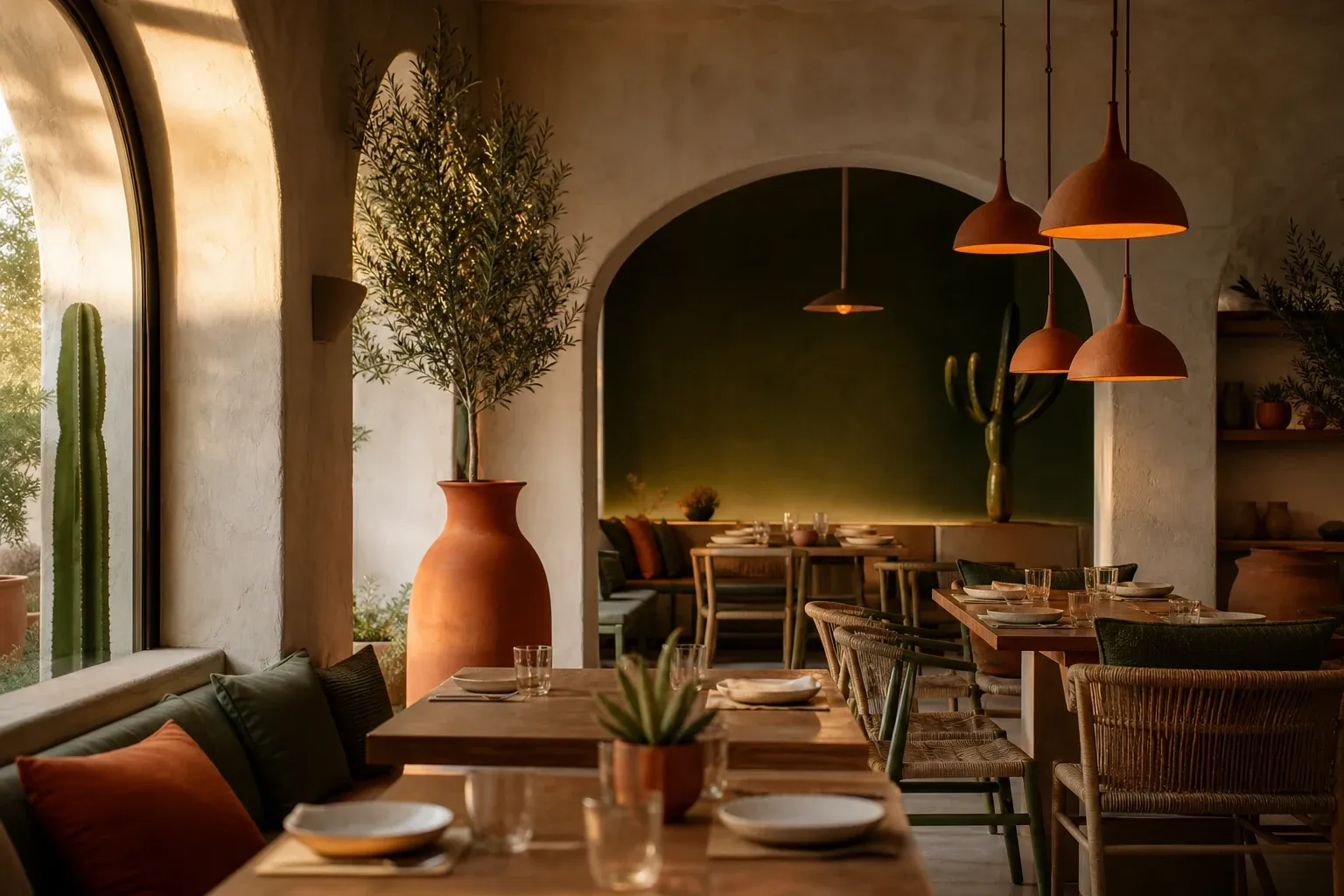
You built a room with a feeling and the site shows three dark photos from four years ago. Atmosphere is the product — it has to be visible in the first screen.
The menu is a PDF
Pinch-zooming a scanned menu is where appetite goes to die, and search engines cannot read a word of it. Menus should be pages.
Reservations take detective work
If booking a table is not one obvious tap from any screen, the diner has already opened a competitor’s tab.
Events revenue has no funnel
Private dining and catering carry the best margins and usually get one sentence and a generic contact form.
The conversion paths that work here
How restaurants visitors actually convert
Not every category converts the same way. These are the paths we build, in the order they usually matter.
Reserve a table (primary)
One tap from every screen, handed straight to OpenTable, Resy, Tock, or whichever platform you use.
Private events enquiry
The high-margin path that deserves a real page, real photography, and a real form rather than a footer email address.
Order online
Where takeaway and delivery matter, routed to your ordering platform without burying the dine-in experience.
What we build
The restaurants build, in detail
Page architecture we typically build
- Atmosphere-forward homepage that sells the room immediately
- Menus as structured, readable pages rather than PDF downloads
- Reservation integration with your booking platform
- Private events and catering pages with a dedicated enquiry funnel
- Location pages for multi-site groups
- Story or chef page where it genuinely supports the brand
What visitors need before they act
- Current, high-quality photography of the room, the plates, and the people
- Accurate hours, location, and parking information
- A menu that is genuinely up to date
- Dietary and allergen information where you can provide it responsibly
- Reservation policies stated plainly, including cancellation terms
- Consistency with your Google Business Profile and review platforms
Intake and form considerations
- Event enquiries need date, party size, and event type up front
- Reservation flow hands off to your platform rather than duplicating it
- Catering enquiries need delivery or on-site context early
- Keep general contact forms genuinely short — most diners just want the phone-free basics answered
Search and paid-traffic considerations
- Local discovery dominates: cuisine, neighbourhood, and occasion queries
- HTML menus are indexable and win dish-level searches that a PDF cannot
- Structured data for hours, location, and menus improves how you appear in local results
- Private events and catering have genuine, under-served search intent worth its own page
Platform and integration realities
- Reservation and ordering platforms are integrated at the conversion boundary, never rebuilt
- Many restaurants arrive on template sites with PDF menus and no ability to update prices
- Image weight is the primary performance risk given how photography-heavy these sites are
The honest fit
Which launch fits a restaurant project
LaunchPad™ fits most independent restaurants: a premium, atmosphere-first site live in about a week. Multi-location groups should ask about a Custom Launch System.
LaunchPad™
from $2,900
Typical launch: ~7 days from kickoff
Best for: New and small businesses that need to look credible — fast.
Start with LaunchPadRestaurants FAQ
Questions we get from this category.
Can we update the menu ourselves?
Yes. Menus are built as structured, editable content rather than baked-in graphics — a price change should never require a designer or a new PDF.
Do you work with OpenTable, Resy, or Tock?
Yes. Your reservation platform plugs into the flow and we design the path so booking is one obvious tap from anywhere on the site.
Our food photos are inconsistent. Is that a problem?
We build around your strongest real imagery — atmosphere shots often matter more than plate close-ups. Gaps get premium curated stock or custom concept imagery, never fake “our food” photography.
Do you promise more covers?
No — the food and the room do that. We make sure the website stops losing the tables you have already earned.
Other industries
We build for these categories too.
Dental & medical websites
See what we buildContractors websites
See what we buildHome services websites
See what we buildBrowse all industries · How we build for every category · What an ad landing page needs
From the resource library
The guides behind this build.
Your dining room deserves a better first impression.
Tell us about your restaurant and how you take reservations. Your launch plan comes back with scope, timeline, and one flat number.
Prefer to talk it through first? Use the chat button — a real person replies.